






Which Types of Microwaves Are Most Energy-Efficient?

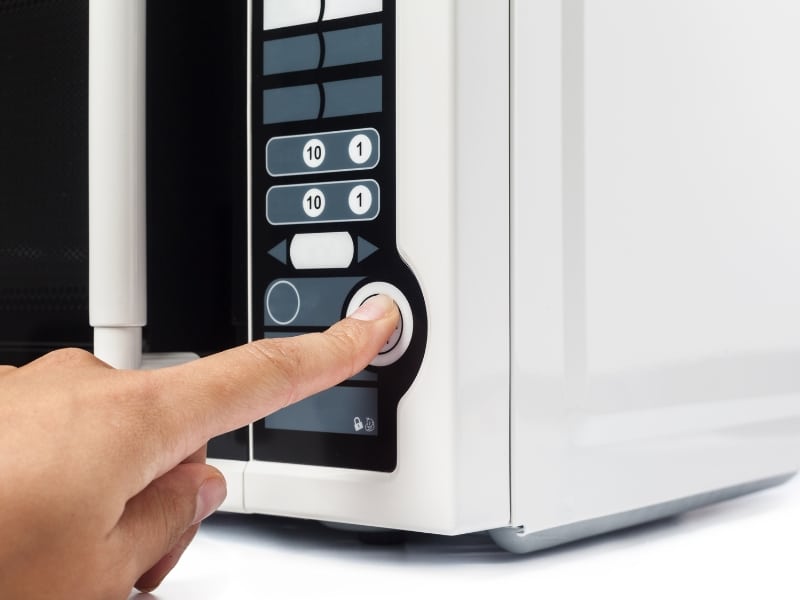
The most energy-efficient picks are usually compact inverter models matched to the meals you cook most. Electricity prices keep nipping at the heels, so efficiency that trims minutes without cramping dinner is gold. Across types of microwaves, control systems, sensors, capacity, and standby design, these factors determine how much power you use, not just the sticker wattage. Short, even heating beats long bursts, while right-sizing the cavity avoids wasting energy on thin air. Flatbeds reduce moving parts, and eco modes throttle idle draw—handy if the kitchen clock doesn’t need to glow all day. For busy homes, quick, even results matter more than gimmicks — that’s the real deal. This article explains which formats save most, how features stack up, and what to check before buying, so you can give it a whirl with confidence.
What features make certain types of microwaves more energy-efficient?
Short answer: precise power delivery, smart shutoff, and right-sized cavities. Inverter control meters energy smoothly, while sensors stop heating the moment food is ready. Meanwhile, eco modes and flatbeds shave standby and mechanical losses. Here are the efficiency features:
- Inverter control: Continuous power reduces cycling losses and provides gentler defrosting for delicate foods.
- Sensor cooking: Auto-reheat and steam sensors end cycles early, preventing overrun and waste.
- Eco/standby modes: Display dimming and clock-off modes deliver lower standby draw during idle hours.
- Flatbed cavity: No turntable; more even exposure and easier cleanup, discouraging long deodorising runs.
- Capacity match: Right-size litres to plate diameter so you heat food, not space.
- Venting and clearance: Correct airflow keeps components efficient under load and reduces hot-restart penalties.
For a practical starting point, as you compare control types and capacities, shortlist models that are efficient microwave types designed for smart cooking. At the same time, you line up your everyday tasks. In short, pick features that cut run time and idle time.
How do convection and inverter microwaves compare in power usage?
Convection-microwave combos add a heating element and fan for browning and baking. They shine for trays and crusts. Inverter-only models win on reheats, veg, and rice because they avoid preheats and throttle power neatly. Here are the comparison factors:
- Cycle pattern: Inverters heat steadily; combos may preheat then maintain temperature.
- Load size: Small, quick cooks favour an inverter; larger bakes can justify convection.
- Time cost: Preheats add minutes; avoid them for cups, bowls, and quick plates.
- Texture goals: Convection gives crispness; inverter preserves moisture and speed.
- Usage mix: Daily leftovers vs weekend roasting changes the efficiency winner.
Informative table — energy considerations by type
| Microwave type | Best for | Preheat needed | Relative energy on small meals | Notable strength | Watch-outs |
| Inverter | Reheat, defrost, veg, rice | No | Low | faster reheating on short cycles | Needs a good cookware match |
| Convection-microwave | Baking, roasting, crisping | Sometimes | Medium–High if preheating | Reduced preheat time when batching trays | Larger footprint |
| Solo (non-inverter) | Basic reheat and cook | No | Medium | Simple and affordable | Less precise control |
Here are the usage tips:
- Batch strategy: If baking, line up trays to spread any preheat over more food.
- Split modes: Use convection only for browning; microwave-only for liquids and soft foods.
- Cookware choice: Shallow, microwave-safe containers reduce cycle time.
- Placement: Leave vents clear; blocked grills sabotage efficiency.
If you’re comparing options for everyday meals, you can discover the best microwaves for efficient daily cooking once you’ve mapped your routine. On balance, choose by the jobs you run most, not the brochure.
Why are some types of microwaves better suited for frequent cooking?
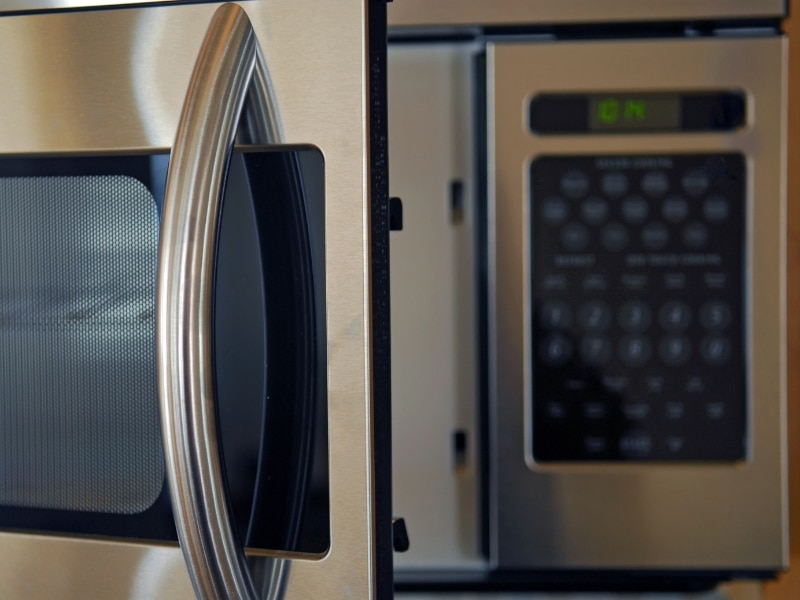
Frequent use magnifies small inefficiencies. Door seals, reflector geometry, and sensor fidelity add up across a week of lunches and dinners. Meanwhile, inverters reduce overshoot, so you don’t redo dishes—handy when the household is flat out. Here are the frequent-cooking advantages:
- Sensor reliability: Repeatable shutoff protects texture and slashes waste.
- Flatbed access: Wider trays and fewer moving parts speed loading and cleaning.
- Duty cycle resilience: Components that hold calibration resist drift under heavy use.
- Preset relevance: Well-tuned veg, rice, and reheat programs save fiddling every time.
- Maintenance ease: Non-stick interiors make wipe-downs easier, preventing smelly, long runs.
Even with strong hardware, a bulkier footprint can cramp small benches, so plan clearances before you commit. In short, frequent cooks benefit from stable sensors, thoughtful cavities, and features that shorten back-to-back cycles—no worries.
Which types of microwaves are ideal for small or low-energy kitchens?
Compact inverters are the quiet achievers for small or solar-leaning homes. They right-size capacity, trim idle draw, and avoid preheats. However, don’t go so tiny that you run two cycles for a family plate—false economy, mate. Here are the small-kitchen picks:
- Compact inverter: Small-litre units that still fit dinner plates and steamers.
- Eco clock-off: Display dimming for workdays when you don’t need the glow.
- Flatbed compact: More usable area without a turntable hub eating space.
- Narrow trim kits: Built-in look without making cabinets chockers.
- Light cookware: Microwave-safe bowls that heat faster and clean more easily.
If the current unit limps along, weigh repair versus upgrade timing and understand when to repair or replace your microwave, keeping spending sensible while you plan the switch. In short, small spaces favour inverters, eco features, and tidy installs that won’t crowd the bench.
Can premium microwave brands really lower electricity costs over time?
Premium models can reduce lifetime energy in practice, but only if features match your habits. Better sensors, seals, and coatings trim seconds from every cycle. As a result, long-term repeatability beats gimmicks. Here are the lifetime value factors:
- Seal integrity: Tighter doors maintain efficiency year after year.
- Sensor fidelity: Accurate shutoff avoids overcooking and dried-out leftovers.
- Coating quality: Easy-clean interiors prevent stink cycles and the need for scrubbing.
- Parts support: Serviceable components extend life and defer landfill.
- Noise control: Quieter fans help in small flats and late-night rehearsals.
Even so, a feature-heavy unit can carry a higher upfront cost, and you won’t save if you rarely use those extra modes. Choose capabilities you’ll run weekly; that’s where the fair dinkum savings hide, on the cards for busy households.
What should you check before buying an energy-efficient microwave?
A clear checklist saves time and power. Start with capacity and control type, then confirm sensors and idle draw. Finally, line up venting, install space, and cookware. Here are the pre-purchase checks:
- Capacity fit: Measure plate diameter and container height against the cavity.
- Control system: Inverter vs on/off cycling for steady low-power heating.
- Sensor suite: Auto reheat, defrost, veg, and rice that match your staples.
- Standby draw: Clock-off or eco modes you’ll actually use.
- Venting and trims: Clearance for cabinets to ensure airflow remains efficient.
- Interior finish: Easy clean equals shorter deodoriser runs.
For neutral guidance, cross-check labels and usage tips with household appliance energy rating while you compare shortlists, keeping choices aligned with Australian standards. In short, measure twice, buy once, and you’ll avoid energy-hungry surprises.
Final thoughts on finding the right types of microwaves for your home
Pick by routine, not hype. Daily reheats and veg suit compact inverters; tray bakes justify a quality convection combo used wisely. Right-sized cavities, reliable sensors, and eco modes deliver the most significant wins, fair dinkum. If you’d like a nudge on fit and features for your kitchen and habits, consider guidance from Appliance Factory Outlet to help your shortlist balance footprint, control type, and energy use without going overboard.