





Crispy Food, Less Oil: A Practical Guide to Air Frying at Home

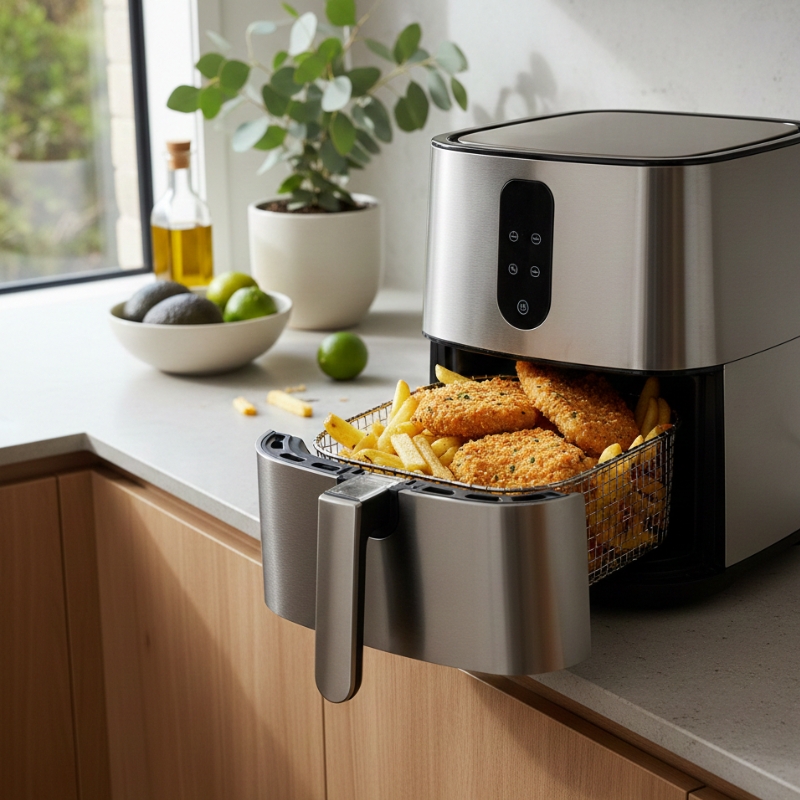
Crispy chips. Golden crumb. Crackly vegetables. For decades, that level of crunch usually meant deep frying, heavy oil, and lingering kitchen smells. Today, air frying has reshaped how Australians cook at home—making it possible to get satisfying texture with far less oil and fuss.
Yet plenty of home cooks still feel underwhelmed by their results. Chips go limp. Crumb stays pale. Vegetables are steamed instead of roasted. In almost every case, the issue isn’t the appliance itself—it’s how the food is prepared and cooked.
Crispiness follows a set of predictable rules. Once you understand them, you can apply the same approach to frozen snacks, fresh vegetables, proteins, and even leftovers. This guide breaks Air Frying down into a simple, repeatable system that works in real Australian kitchens.
What Air Frying actually does
Air Frying relies on rapidly circulating heat to remove moisture from the surface of food while encouraging browning. Instead of submerging food in oil, it uses:
• Fan-forced airflow
• Consistent heat
• Dry food surfaces
• Space around each piece
When these elements line up, the Maillard reaction occurs—the same browning chemistry responsible for roast potatoes, toasted bread, and seared meat. When they don’t, food softens instead of crisping.
Understanding this process matters just as much as the size or style of appliance you’re using.
The crispiness system you can use every time
Nearly all crisping problems can be traced back to one of five steps being skipped.
Dry → Space → Heat → Movement → Finish
This sequence works whether you’re cooking frozen chips, crumbed chicken, vegetables, or reheating last night’s dinner.
Dry: remove surface moisture first
Moisture is the biggest enemy of crunch. If water is present on the surface, it must evaporate before browning can begin. That evaporation creates steam, which softens food.
What to do:
• Pat food dry with a paper towel
• Let salted foods rest briefly, then blot again
• Avoid adding wet marinades before cooking
• Knock excess ice off frozen foods
This habit alone fixes more soggy results than changing temperatures or cook times.
Space: airflow creates crisp edges
Crowding traps steam and blocks hot air from circulating properly. Even powerful airflow can’t crisp food that’s piled on top of itself.
For better results:
• Cook in a single layer whenever possible
• Leave small gaps between pieces
• Batch-cook instead of overloading
If you regularly cook for more than one or two people, choosing the right capacity matters. Many households find it helpful to compare air fryer styles and sizes so they’re not forced to overcrowd the basket every night.
Heat: hot enough to brown, not scorch
Crispiness needs sufficient heat. Too low, and the food dries out without colour. Too high, and it burns on the outside before cooking through.
General guidance:
• Frozen snacks: medium-high heat
• Fresh vegetables: medium heat, finished hot
• Proteins: medium to start, then increase briefly
Preheating helps, especially for crumbed and frozen foods, where early browning improves texture.
Movement: shake, flip, rotate
Food that doesn’t move browns unevenly.
Good habits:
• Shake baskets halfway through
• Flip larger items like schnitzels or fillets
• Rotate trays if your unit supports it
Appliances with better airflow design make this easier, which is why many people choose to explore air fryer features that support even circulation and hands-on cooking.
Finish: lock in the crunch
The final minute matters more than most people realise.
Try:
• A short burst of higher heat at the end
• Resting food briefly on a rack instead of a plate
• Serving immediately
Stacking hot food traps steam and undoes all your work.
Do you actually need oil to get crisp food?
You can achieve some crisping without oil, but a small amount usually improves results.
Best practice:
• Use a high-smoke-point oil
• Apply lightly with a spray or brush
• Avoid excess oil, which can cause smoke
In most cases, one or two teaspoons is enough for a full basket.
Choosing the right oil for Air Frying
Oil choice affects flavour, browning, and smoke levels.
Good options:
• Avocado oil
• Rice bran oil
• Light olive oil
Avoid:
• Butter
• Unrefined oils with low smoke points
• Sugary or sticky marinades before cooking
The right oil helps food brown evenly while keeping kitchens cleaner.
Frozen foods: getting them golden, not soggy
Frozen chips, nuggets, and snacks are designed for Air Frying, but they still need the right approach.
For best results:
• Cook straight from frozen
• Avoid overcrowding
• Shake or turn at least once
• Finish with a short high-heat burst
If frozen food stays pale, it’s usually due to overcrowding or insufficient heat rather than undercooking.
Fresh vegetables that are actually crisp
Vegetables contain a lot of water, which makes crisping harder than with frozen foods.
Better results come from:
• Even sizing
• Minimal oil
• Salting after cooking
• Longer cook times at moderate heat, finished hot
Vegetables that crisp particularly well include potatoes, broccoli, Brussels sprouts, and thinly sliced zucchini.
Crumbed vs battered foods
Crumbed foods are ideal for Air Frying. Battered foods generally are not.
For crumbed foods:
• Press crumbs firmly onto the surface
• Chill briefly before cooking
• Lightly oil the outside for colour
Wet batters rarely work unless they’ve been pre-cooked or set first, which is why crumbed options deliver more reliable results.
Why does food go soggy after cooking
If food is crisp straight out but softens quickly, trapped steam is the cause.
Prevent it by:
• Resting food on a rack
• Avoiding foil or lids
• Serving immediately
• Keeping batches separate
Even perfectly cooked food can lose crunch if it’s stacked too soon.
Reheating leftovers without losing texture
Air Frying is one of the best ways to reheat leftovers while restoring texture.
Tips:
• Reheat uncovered
• Use moderate heat, then finish hot
• Avoid reheating more than once
For food safety, always follow Australian guidance on storage and reheating timeframes from the NSW Food Authority’s advice on leftovers and reheating, including the 2-hour/4-hour rule and proper refrigeration practices.
Smoke, smells, and messy clean-ups
Smoke is usually caused by:
• Excess oil
• Fat dripping onto hot surfaces
• Old crumbs left behind
Reduce it by:
• Cleaning regularly
• Using minimal oil
• Emptying crumb trays
• Avoiding sugary coatings
Persistent smoke is a sign to stop and clean before continuing.
Choosing a setup that suits your kitchen
Consistent results are easier when your setup matches your space and cooking habits.
Things that matter:
• Capacity vs household size
• Airflow design
• Ease of cleaning
• Bench space and storage
If you’re working with limited space or a smaller household, taking the time to find an air fryer that suits your kitchen can make everyday cooking smoother and more enjoyable.
Quick troubleshooting fixes
Food isn’t browning
• Increase heat slightly
• Add a light oil spray
• Improve spacing
Food is dry inside
• Lower starting temperature
• Reduce cook time
• Finish hot instead of starting hot
Uneven colour
• Shake or flip more often
• Reduce batch size
Burnt outside, soft inside
• Lower heat
• Extend cook time
Common questions
Is Air Frying healthier than deep frying?
Generally, yes, because it uses far less oil while still delivering crisp textures.
Can you cook different foods together?
Only if airflow isn’t blocked. Dense and light foods often cook unevenly.
Do liners help?
They help with cleaning, but can reduce airflow. Perforated liners work best.
Is preheating necessary?
Not always, but it improves browning for crumbed and frozen foods.
Final takeaway
Crispiness isn’t luck—it’s a system.
When you manage moisture, allow airflow, use appropriate heat, move food during cooking, and finish properly, Air Frying delivers reliable crunch without heavy oil or deep-frying mess.
Once these fundamentals become habit, weeknight meals, snacks, and leftovers all come out better—golden, crisp, and far more satisfying.