





Panasonic Microwave Parts Explained: How to Identify, Replace and Source Genuine Parts in Australia

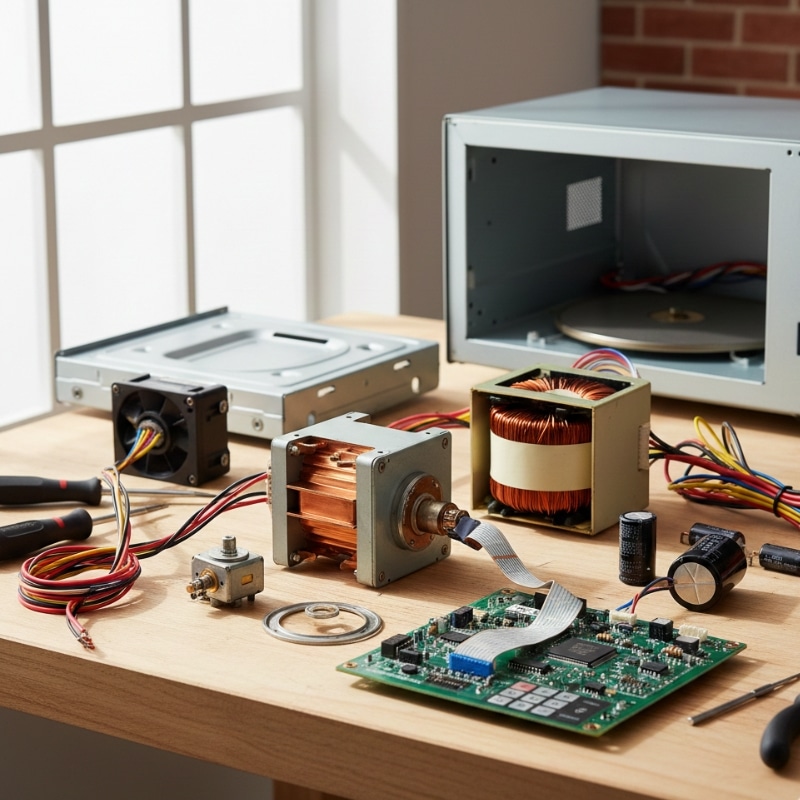
Panasonic microwaves are a common fixture in Australian kitchens thanks to their reliability, inverter technology, and consistent cooking performance. When a microwave stops working, many households assume replacement is the only option. In reality, identifying and replacing the correct component can often restore full functionality at a much lower cost.
Understanding how Panasonic designs its microwaves, how parts differ between models, and which components commonly fail allows homeowners to make informed decisions. This guide explains how to identify Panasonic microwave parts, which parts can be replaced safely, and how Australians can source genuine replacements with confidence.
Understanding Panasonic Microwave Models and Part Compatibility
Why Panasonic Microwave Parts Are Model-Specific
Panasonic microwaves are engineered with model-specific components. Even units that look identical externally may use different internal parts, particularly inverter models that rely on advanced power regulation systems.
Using an incompatible part can result in:
• Electrical faults or error codes
• Poor heating performance
• Reduced appliance lifespan
• Potential safety risks
This is why accurate identification is critical before ordering replacement parts.
How to Find Your Panasonic Microwave Model Number
Before sourcing any replacement component, locate your microwave’s model number. This is usually found:
• Inside the door frame
• On the back panel
• On the side of the microwave casing
Most Panasonic model numbers begin with prefixes such as NN-, NN-ST, or NN-CD. Always record the full model number exactly as shown, as even small differences can indicate different internal configurations.
Common Panasonic Microwave Parts That Fail Over Time
While Panasonic microwaves are designed for longevity, some components experience natural wear and tear. Understanding common failure points helps narrow down issues faster.
Magnetron
The magnetron produces the microwave energy that heats food. If your microwave powers on but does not heat, this component is often the cause.
Common warning signs include:
• Food remaining cold
• Loud humming or buzzing
• Burning smells
Because magnetrons operate at very high voltages, replacement should always be performed by a qualified technician.
Door Interlock Switches
Door switches are a safety feature that prevent the microwave from operating unless the door is fully closed. These are among the most frequently replaced Panasonic microwave parts.
Symptoms of failure include:
• Microwave not starting
• Intermittent operation
• Display functioning but no cooking action
Correct replacement requires an exact match to the model.
Turntable Motor
If the turntable stops rotating, food may heat unevenly. This issue is commonly caused by a worn or failed turntable motor.
Signs include:
• Turntable not moving
• Humming sounds without rotation
• Inconsistent heating patterns
Turntable motors are generally affordable and suitable for replacement in many models.
Control Board
The control board manages cooking times, power levels, and sensor functions. Faulty boards can cause:
• Buttons not responding
• Random shutdowns
• Error codes
Because control boards are highly model-specific, accurate identification is essential.
Waveguide Cover
The waveguide cover protects internal components from food splatter. If damaged or burnt, you may notice sparking or burning smells inside the cavity.
Replacing a worn waveguide cover promptly can prevent more serious internal damage.
Genuine vs Generic Panasonic Microwave Parts
What Makes a Part “Genuine”?
Genuine Panasonic microwave parts are manufactured to Panasonic’s specifications and tested for safety, performance, and compatibility with specific models.
Generic alternatives may appear similar but often differ in:
• Material quality
• Electrical tolerances
• Expected lifespan
Risks of Using Non-Genuine Parts
Using non-genuine parts can lead to:
• Reduced performance
• Increased likelihood of repeat failures
• Electrical safety risks
Australian consumer guidance from the Australian Competition and Consumer Commission highlights the importance of using compliant and safe replacement components in household appliances, particularly where electrical safety is involved.
Identifying the Correct Panasonic Microwave Part
Correct identification is the most important step in any successful microwave repair.
Match the Full Model Number
Always search for parts using the full model number. This ensures compatibility with:
• Electrical systems
• Mounting points
• Control logic
This step alone eliminates many costly ordering mistakes.
Use Brand-Specific Component Listings
Panasonic designs components specifically for its appliances, meaning brand-specific listings are the safest starting point when sourcing replacements. Browsing Panasonic microwave parts available in Australia allows users to narrow parts by brand before matching them to the correct model.
Which Panasonic Microwave Parts Can Be Replaced at Home?
DIY-Friendly Replacements
Some Panasonic microwave parts can be replaced safely at home if the appliance is unplugged and instructions are followed carefully:
• Turntable trays and rollers
• Turntable motors
• Waveguide covers
• Light globes (model-dependent)
Sourcing genuine microwave spare parts for Australian homes helps ensure correct fitment and long-term reliability for these commonly replaced components.
Parts That Require a Qualified Technician
The following components involve high voltage and should never be replaced without professional training:
• Magnetrons
• Inverter boards
• High-voltage capacitors
• Transformers
Engaging a licensed technician ensures safety and compliance with Australian standards.
Repair or Replace? Making the Right Decision
When Repair Is Worthwhile
Repairing a Panasonic microwave often makes sense when:
• The appliance is under 10 years old
• The fault is isolated to one component
• Replacement parts are readily available
Comparing Repair Costs vs Replacement
When weighing repair versus replacement, reviewing the full range of microwave replacement parts allows households to compare component costs against the price of a new microwave and make an informed decision.
Frequently Asked Questions About Panasonic Microwave Parts
Are Panasonic inverter microwave parts different?
Yes. Inverter models use specialised power control systems and require exact replacement components matched to the model.
Can parts from another Panasonic microwave be used?
Only if the part number is identical. Visual similarity alone does not guarantee compatibility.
How long do Panasonic microwave parts last?
Most components last between 7 and 10 years under normal household use, although frequently used parts such as door switches may wear sooner.
Is it safe to buy microwave parts online in Australia?
Yes, provided the supplier is reputable, parts are genuine, and Australian safety standards are met.
Final Thoughts: Choosing the Right Panasonic Microwave Parts
Understanding Panasonic microwave parts helps Australian households extend appliance lifespan, avoid unnecessary replacements, and make safe repair decisions. By identifying your model accurately, choosing genuine components, and knowing when professional assistance is required, you can restore your microwave’s performance with confidence.
Appliance Factory Outlet provides access to Panasonic microwave parts and trusted guidance for Australian homes looking to repair rather than replace.