





Microwave Not Heating Evenly? Common Causes, Safe Troubleshooting, and When to Stop Using It

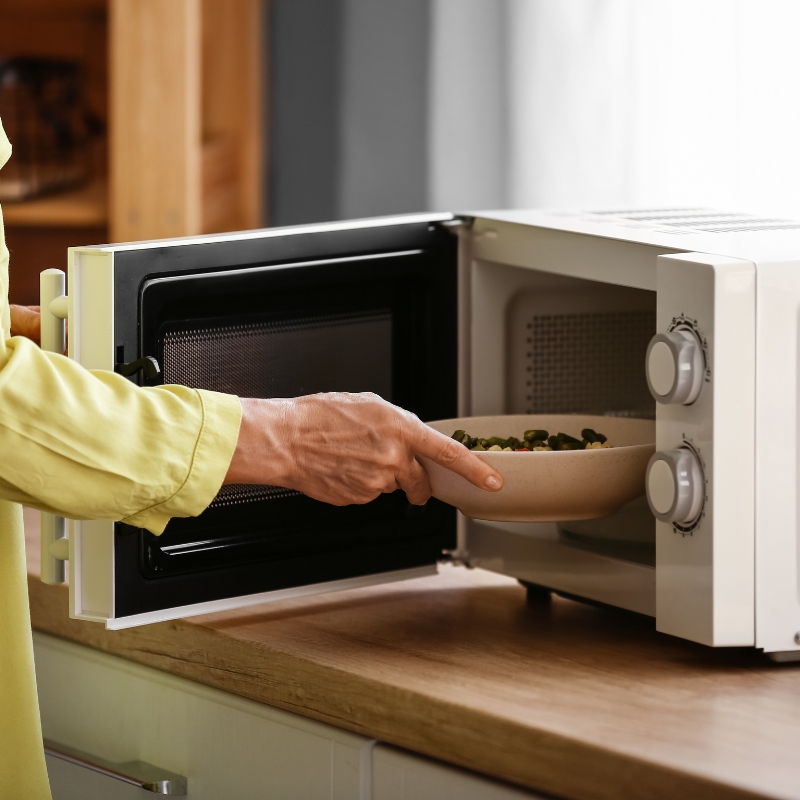
You heat last night’s pasta in the microwave. The edges are scorching, the centre is stone cold. You stir it, put it back in, and somehow it’s still uneven.
If your microwave isn’t heating evenly, you’re not alone. Uneven microwave heating is one of the most common complaints in Australian kitchens — especially in busy households reheating leftovers, defrosting meat, or cooking quick meals after work.
The good news? In most cases, uneven heating isn’t a major fault. It’s often caused by food placement, container shape, wattage settings, or simple wear-and-tear issues you can check safely yourself.
The key is knowing:
• What’s normal
• What you can safely troubleshoot
• When to stop using the microwave altogether
Let’s break it down clearly.
Why Microwaves Heat Unevenly in the First Place
Microwaves don’t heat like ovens. Instead of warming air, they emit electromagnetic waves that excite water molecules inside food. That’s what generates heat.
However, these waves don’t distribute perfectly evenly. They form patterns inside the cavity, creating “hot spots” and “cold spots”. This is why:
• Food edges may cook faster than the middle
• Thick sections stay cold
• Some areas boil while others barely warm
Turntables and internal “stirrers” help spread energy more evenly, but no microwave produces perfectly uniform heat.
Some unevenness is normal.
Persistent cold centres or extreme patchiness, however, usually point to either usage habits or mechanical issues.
The Most Common Causes of Uneven Microwave Heating
1. The Turntable Isn’t Rotating Properly
If the turntable stops spinning — or spins inconsistently — food stays in one microwave energy zone.
Check:
• Is the glass tray seated correctly on the roller ring?
• Is the roller ring cracked or jammed with debris?
• Is the centre coupling worn or misaligned?
If the plate doesn’t rotate smoothly, uneven heating is almost guaranteed.
2. Food Placement Is Off-Centre
Placing food dead-centre often causes the middle to sit in a weaker energy area.
Instead:
• Place food slightly off-centre
• Use a ring shape (leave a hole in the middle for rice or pasta)
• Rotate manually if your model doesn’t have a turntable
This simple change often fixes the problem immediately.
3. Container Shape Matters More Than You Think
Square and rectangular containers create corner hot spots. Round containers distribute energy more evenly.
Avoid:
• Tall, thick stacks of food
• Dense blocks (like compacted rice)
• Sharp-cornered dishes
Use:
• Low, wide, round microwave-safe containers
• Even thickness across the dish
4. You’re Not Stirring or Resting the Food
Microwave cooking requires active participation.
Best practice:
• Stir halfway through
• Rotate the dish if needed
• Allow 1–2 minutes of rest time after heating
Resting allows residual heat to spread into cooler sections (carryover cooking).
5. Wattage and Power Settings Are Too High
Many people run their microwave at 100% power by default.
High power:
• Overheats edges quickly
• Leaves centres underdone
• Causes moisture imbalance
For thick or dense foods:
• Use 50–70% power
• Increase cooking time slightly
• Stir midway
If you’re unsure what wattage your appliance runs at, it’s worth learning more or even upgrading when needed — especially if consistent results matter in your kitchen.
Food-Specific Heating Problems (And Fixes)
Leftover Pasta or Rice
Problem: Hot outside, cold centre.
Fix:
• Spread into a ring
• Add a tablespoon of water
• Cover loosely
• Heat at 60–70% power
Frozen Meals
Problem: Edges overcooked, middle icy.
Fix:
• Use defrost setting first
• Let sit for 2–3 minutes
• Break apart frozen sections before reheating
Meat (Especially Chicken)
Problem: Outer layer rubbery, inside cold.
Fix:
• Slice into smaller portions
• Heat at lower power
• Rest before serving
Could It Be a Mechanical Problem?
If you’ve adjusted placement, containers, and power levels — and it’s still happening — you may have a component issue.
Possible Mechanical Causes
• Worn or failing magnetron
• Damaged waveguide cover (mica plate)
• Faulty mode stirrer (in non-turntable models)
• Door alignment issues
• Internal diode or capacitor faults
Important: Never open the microwave casing yourself. Microwaves contain high-voltage components that can retain charge even when unplugged.
According to the Australian Radiation Protection and Nuclear Safety Agency (ARPANSA), microwave ovens are safe when used correctly and when doors and seals are intact. If the door is damaged, doesn’t close properly, or the seal is compromised, you should stop using it immediately and have it assessed or replaced.
Warning Signs You Should Stop Using It Immediately
Uneven heating alone isn’t usually dangerous. But combined with other symptoms, it can signal a failing unit.
Stop using your microwave if you notice:
• Sparking or arcing inside
• A burning smell that doesn’t disappear
• Visible damage to the waveguide cover
• The door is not sealing tightly
• Loud buzzing or grinding sounds
• Repeated power tripping
These are not “keep monitoring” issues. They’re “replace or professionally inspect” issues.
How Long Should a Microwave Last in Australia?
Most household microwaves last:
• 7–10 years with regular use
• 5–7 years with heavy daily use
If your appliance is older, heating inconsistently, and showing additional symptoms, replacement is often more practical than repair.
When upgrading, it’s worth taking time to compare microwave wattages and features so you choose a model that delivers more consistent results for your typical meals.
What’s Normal vs What’s Not
Normal:
• Slight edge overheating
• Minor centre warmth differences
• Needing to stir once
Not normal:
• Large cold centre after repeated heating
• Food is only heating in one corner
• Consistent patchiness regardless of dish type
• Heating performance is worsening rapidly
If you’re consistently getting poor results despite good technique, your microwave may be losing output power.
Does Inverter Technology Help?
Traditional microwaves cycle power on and off at lower settings.
Inverter technology delivers continuous lower power, which:
• Improves consistency
• Reduces overcooked edges
• Defrosts more evenly
If uneven heating frustrates you regularly, newer inverter-based models often provide noticeably better control.
When evaluating options, it’s smart to find a microwave that suits your kitchen in terms of size, wattage, ventilation clearance, and cooking habits.
Simple Weekly Maintenance That Improves Heating
Many uneven heating issues are caused by internal buildup.
Every week:
• Wipe interior walls
• Clean the waveguide cover gently (if accessible)
• Remove grease splatter
• Check the roller ring for debris
• Ensure the turntable spins freely
Grease accumulation can disrupt microwave energy distribution over time.
Quick Troubleshooting Checklist
Before assuming it’s broken, run through this:
• Try a round, shallow dish
• Place food off-centre
• Stir halfway
• Reduce power level
• Add moisture if reheating starches
• Clean interior surfaces
• Confirm the turntable rotates smoothly
If none of these improves performance, you’re likely dealing with declining output or internal wear.
Frequently Asked Questions
Why is my microwave hot on the outside but cold in the middle?
This usually happens because microwave energy penetrates only a few centimetres into dense food. The edges heat first. Stirring and resting solve most cases.
Can a broken turntable cause uneven heating?
Yes. Without rotation, food remains in one energy zone, leading to hot and cold spots.
Is it safe to use a microwave that heats unevenly?
If uneven heating is the only issue and there are no sparks, smells, or door damage, it’s typically safe — but inefficient. If combined with other warning signs, stop using it.
Does higher wattage mean more even heating?
Not necessarily. Higher wattage means faster heating. Evenness depends on power control, distribution systems, and how you use it.
Should I repair or replace?
If the unit is under 5 years old and otherwise functioning normally, a professional assessment may be worthwhile. If it’s older and performance is declining, it may be time to browse microwaves for even heating, as replacement is often more cost-effective.
When Replacement Is the Smarter Option
Consider replacing your microwave if:
• It’s over 8–10 years old
• Heating performance keeps declining
• Safety issues appear
• Repair cost approaches half the price of a new unit
Modern models offer:
• Better power distribution
• Improved inverter systems
• Sensor cooking programs
• More efficient operation
Upgrading isn’t just about features — it’s about consistent, safe results in everyday cooking.
Final Thoughts
Uneven microwave heating is frustrating, but it’s rarely mysterious.
In most cases, the issue comes down to:
• Placement
• Container shape
• Power settings
• Lack of stirring or resting
Start with technique. Clean the unit. Check the turntable. Adjust your power level.
If uneven heating persists — especially alongside sparks, smells, or mechanical noise — it’s time to stop using it and consider a safer, more reliable replacement.
Understanding what’s normal, what’s fixable, and what’s unsafe gives you confidence in your kitchen — and helps you avoid both undercooked meals and unnecessary risks.