






When Should Parts of a Microwave Be Replaced?

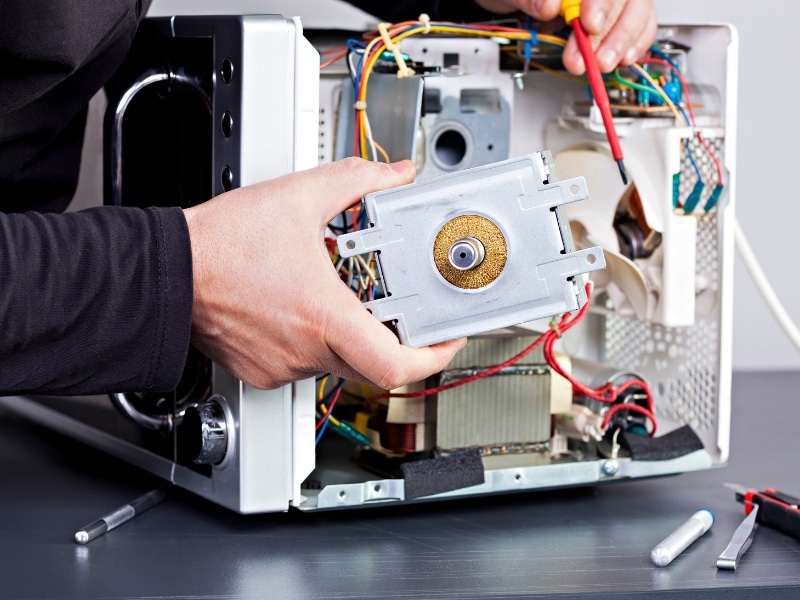
Knowing when parts of a microwave need replacing can save you time and help avoid safety risks. A microwave can seem fine on the outside, but internal parts may wear down over time without obvious warning signs. Knowing how to spot trouble — and understanding common failure points — helps you decide whether to repair or replace components. This article explores how to recognise failing parts of a microwave and when replacement is the sensible call.
Why is understanding the diagram of a microwave essential?
Understanding the diagram of a microwave is vital because it shows you every internal component and how they relate — that clarity helps you pinpoint failing parts before damage spreads. Without a clear view of what’s inside, you could misidentify a fault or miss hidden wear altogether. Here are the key advantages of referring to a full microwave diagram:
- You can spot which part corresponds to specific issues, such as when the magnetron sits near the transformer, making overheating easier to diagnose.
- You learn how safety interlock switches, waveguide covers and capacitors connect, giving clearer insight whether the malfunction comes from wiring or mechanical failure.
- You understand the layout of high‑voltage items, helping you avoid dangerous repairs if you lack the proper tools or experience.
- You trace the circuit path, helping isolate a fault to a specific section rather than blindly replacing several parts.
Referencing the diagram reduces guesswork and supports safer interventions, primarily when multiple parts work together. It also prevents wasted effort or needless expense on irrelevant components.
What issues occur when microwave components start to fail?
When microwave components start to fail, problems can emerge in electrical, mechanical or safety domains, often beyond simple performance dips. Recognising these early gives you a better chance of fixing them before bigger trouble sets in. Here are common issues linked to failing components:
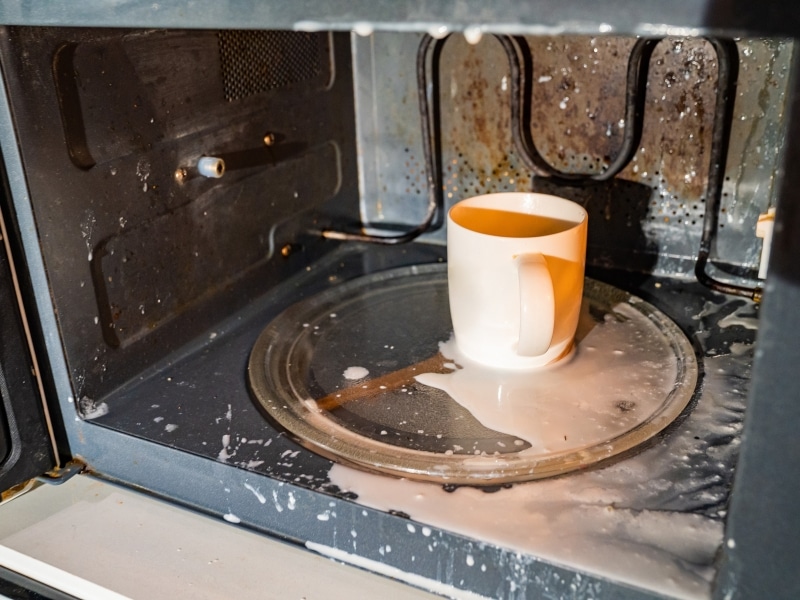
- A damaged turntable motor or a faulty coupling can cause the turntable to stop spinning, leading to poor heat distribution and potentially overheated parts.
- Worn door‑interlock switches may prevent the microwave from operating at all, leaving you scratching your head when it appears “dead” even though it’s plugged in.
- A faulty magnetron or diode can cause uneven cooking or cold spots, meaning food won’t heat properly even if the timer runs out.
- Aging capacitors or transformers might overheat, sometimes producing burning smells or unusual noises — clear signs of trouble.
Such problems often start subtly. It may seem like random faults at first — but lingering faults like intermittent stoppages or distorted sound point toward deeper component degradation. You’ll often encounter signs that worn microwave parts may not be worth repairing long before total failure.
How do worn parts of a microwave oven impact performance?
Worn parts of a microwave oven impact performance by gradually reducing efficiency, safety and reliability — often in ways that raise bigger issues as time passes. These impacts can accumulate unnoticed until a major breakdown or hazard arises. Here are the main ways wear undermines microwave performance:
- Heating becomes sluggish or inconsistent, meaning meals take longer or travellers may end up with cold centres.
- Energy consumption rises because the system works harder to compensate, leading to higher electricity use.
- Frequent arcing or sparking inside the cavity can damage the interior coating, increasing the risk of radiation leaks or fire — a hazardous oversight.
- Noise levels rise, such as loud humming or rattling, indicating strain on moving or electrical parts beyond intended tolerance.
In many cases, these symptoms start paired with minor signs like flickering lights, odd smells, or faint hums. Ignoring them often lets a small repairable defect turn into a critical fault or safety hazard.
When should you consider using microwave oven replacement parts?
You should consider using microwave oven replacement parts when components show clear signs of wear, failure or safety issues — especially when the cost and effort to replace is low compared with full replacement. Clearly matching a part’s fault to a component avoids throwing the whole appliance away. Here are situations that call for replacement parts:
- When a door switch fails, yet the rest of the unit remains intact, replacing that switch restores functionality without dumping the appliance entirely.
- When the magnetron output weakens, leading to prolonged cooking times or cold spots, a part replacement will restore reliable performance and even heating.
- When high‑voltage capacitors show bulging or burn marks during inspection, swapping them avoids possible fire or electrical hazards.
- When the turntable or waveguide cover degrades, simple replacement ensures uniform heating and prevents metal arcing that could spark further damage.
|
Component |
Typical sign of failure |
Common cause of wear |
Replacement benefit |
|
Door‑interlock switch |
The microwave fails to start |
Mechanical wear or misalignment |
Restored safety and operation |
|
Magnetron |
Weak heating or cold spots |
Age or overheating |
Improved heating power |
|
High‑voltage capacitor/diode |
Flickering, hum, no heat |
Voltage stress, age |
Avoids electrical hazards |
|
Turntable motor |
The turntable won’t spin |
Motor wear or alignment |
Even cooking, reduced heat zones |
When parts match issues, replacing them saves money and extends appliance life. Always ensure you select high-quality microwave oven replacement parts.
How can a microwave component list help you identify replaceable parts?
A microwave components list helps you identify replaceable parts by offering a reference naming and mapping of each internal item. That clarity ensures you order the right part and avoid confusion over model‑specific differences. Here are the ways a components list helps:
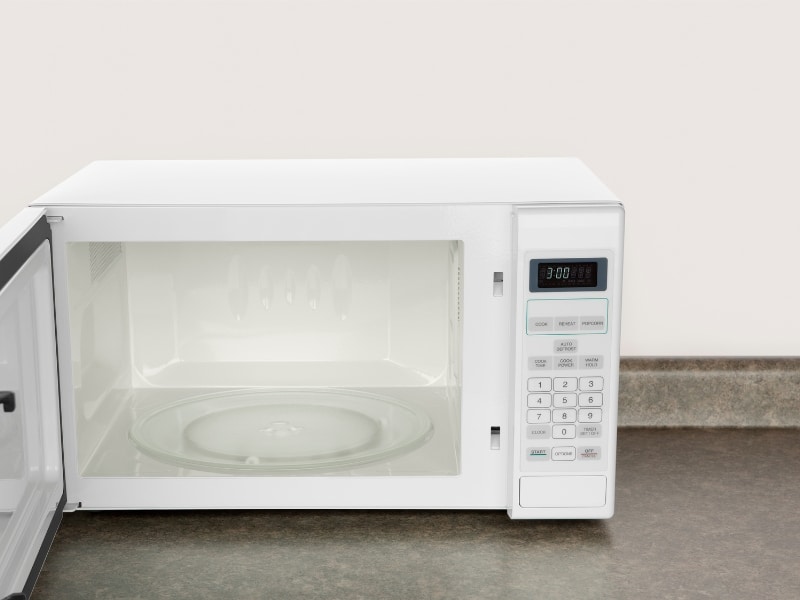
- It provides standard names of parts — magnetron, diode, waveguide cover — making online ordering or local repair straightforward.
- It notes compatibility and voltage ratings, helping you avoid incorrect fitting or mismatched parts that might damage the appliance.
- It identifies hazards tied to certain components, guiding proper handling, insulation, and safe installation.
- It enables you to check when parts were last replaced or maintained, revealing what may need attention soon.
Using such a list avoids guesswork or trial‑and‑error swapping. Following a clear parts registry keeps repairs efficient and reduces the chance of ordering the wrong component. It also helps you ensure safe use of microwave ovens at home without added risks.
Final thoughts on knowing when to replace microwave parts
Recognising when internal components degrade lets you decide whether to replace a part or retire the unit. If even a single essential component fails — like the magnetron or high‑voltage capacitor — efficiency and safety drop fast. It pays to follow proper references and part lists for clarity and accuracy. For help sourcing the right parts or advice, feel free to reach out for guidance from Appliance Factory Outlet.